Dental clinics rely on stable and efficient equipment performance to maintain patient safety, treatment quality, and daily operational efficiency. From dental units and chairs to air systems and supporting devices, every component plays a role in creating a reliable clinical environment.
When equipment problems occur, quick identification and effective troubleshooting can reduce downtime and prevent workflow interruptions. Understanding common causes of failures allows clinic managers, technicians, and purchasing teams to make better maintenance decisions.
Roson focuses on providing dental solutions designed around practical clinical needs, helping dental professionals understand the importance of equipment reliability, proper usage, and preventive maintenance. A systematic approach to troubleshooting can significantly improve the lifespan and performance of clinic equipment.
Common Performance Issues in Dental Medical Equipment
One of the most frequent challenges in clinics is unexpected equipment performance decline. Issues may include unstable operation, reduced functionality, unusual sounds, or inconsistent output during procedures.
For dental units, problems often originate from improper maintenance, worn components, connection issues, or incorrect operating procedures. Regular inspections of water lines, air pathways, electrical connections, and mechanical parts can help identify early warning signs before major failures occur.
A structured maintenance schedule is essential for preventing disruptions. Dental teams should record equipment usage, cleaning activities, and service history to create a clear overview of equipment conditions. This information also helps technicians diagnose recurring problems more efficiently.
When selecting equipment, clinics should work with a reliable dental equipment supplier that can provide technical support, product documentation, and maintenance guidance. Strong supplier cooperation helps users resolve issues faster and improves long-term equipment management.
Troubleshooting Air and Utility System Problems
Dental air compressors and water systems are critical components of many treatment environments. Problems in these systems can affect multiple devices and interrupt normal clinical operations.
Insufficient air pressure is a common issue that may result from leaks, blocked filters, improper settings, or compressor maintenance problems. Clinics should regularly check air connections, drainage systems, and filtration components to maintain stable performance.
Water-related issues may include inconsistent flow, unusual taste or odor, or reduced water delivery. These situations require attention to water quality management, cleaning procedures, and routine inspection of internal pathways.
For facilities using advanced dental medical equipment, understanding system connections is especially important. Many equipment failures are not caused by a single component but by interaction problems between different parts of the clinical setup.
Preventive maintenance, including scheduled inspections and professional servicing, allows dental teams to identify potential risks earlier. This approach reduces unexpected repair costs and supports continuous patient care.
Managing Issues Related to Dental Chairs and Treatment Units
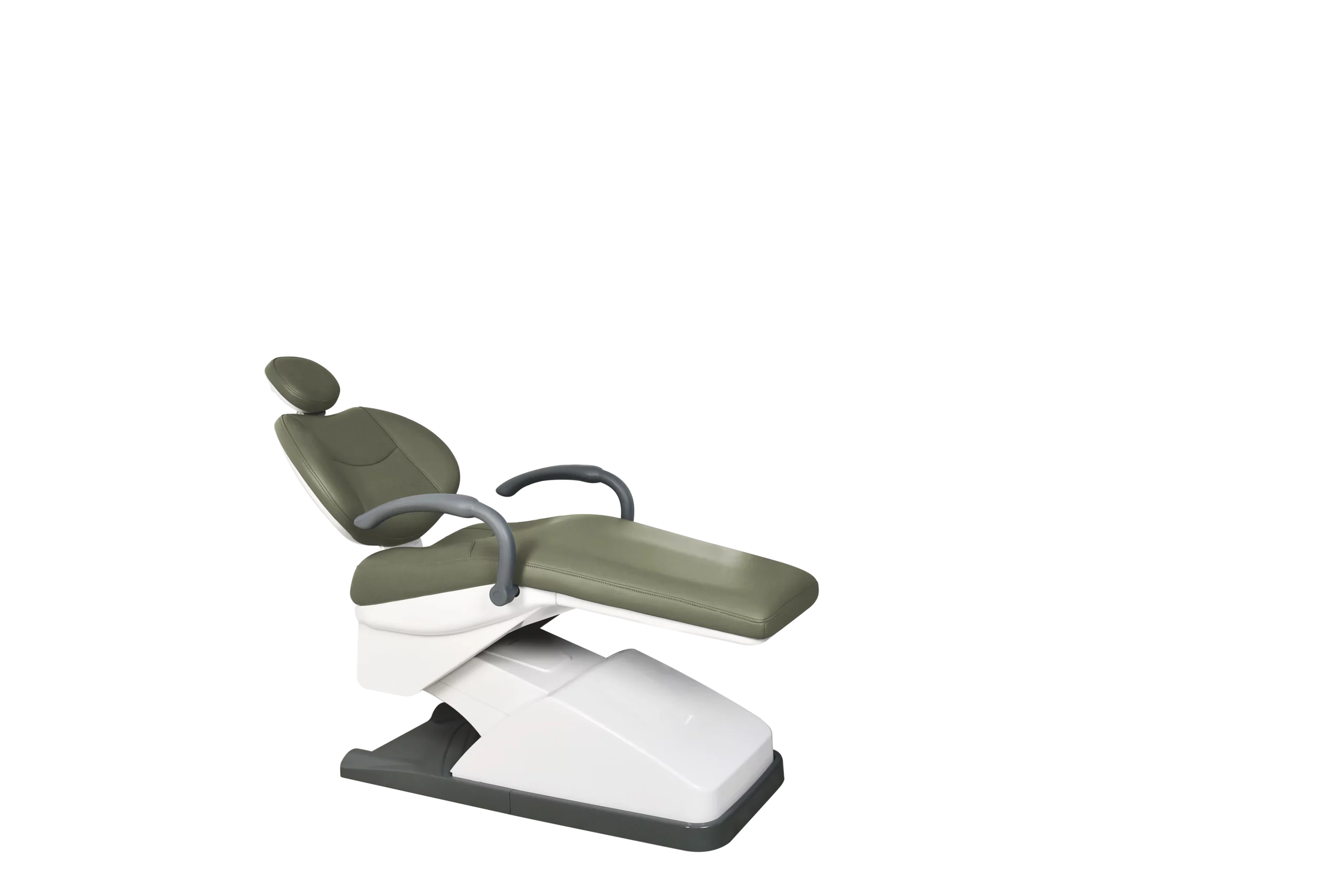
Dental chairs are central components of modern clinics, and their mechanical performance directly influences both patient comfort and clinician workflow. Common problems include slow movement, abnormal positioning, or failure of adjustment functions.
When a dental chair does not operate correctly, users should first check basic factors such as power connections, control settings, and visible mechanical conditions. If the issue continues, professional technical evaluation may be required.
Another important consideration is ergonomic integration. Dental equipment should work together as a complete system, allowing dentists and assistants to access instruments comfortably while maintaining efficient movement patterns.
Roson considers equipment usability and clinical workflow requirements when developing dental solutions. Reliable design, quality control processes, and attention to manufacturing details help support stable equipment performance in professional environments.
Quality and Maintenance Considerations When Choosing Equipment Partners
Equipment reliability begins before installation. Selecting the right manufacturing partner can influence product performance, service support, and long-term operational costs.
A professional dental equipment supplier should provide more than product delivery. Important factors include technical knowledge, after-sales support, replacement part availability, and clear product information.
Healthcare equipment buyers should also evaluate manufacturing standards and quality management practices. Systems such as ISO13485 help medical device manufacturers establish controlled production processes, documentation procedures, and quality assurance methods.
Component traceability is another valuable factor for medical equipment management. When manufacturers maintain detailed production records, it becomes easier to identify components, manage quality issues, and support service requirements.
For clinics and distributors, these considerations reduce uncertainty during purchasing decisions. Reliable manufacturing processes create confidence that equipment will continue to perform effectively throughout its expected service life.
Preventive Strategies to Reduce Equipment Failures
The most effective troubleshooting strategy is prevention. Dental clinics can reduce equipment problems by creating clear maintenance procedures and training staff on correct equipment operation.
Daily inspections can include checking basic functions, cleaning surfaces, observing unusual sounds, and confirming that essential systems operate normally. Small issues identified early are usually easier and less expensive to resolve.
Staff training is equally important. Incorrect operation can accelerate wear and create unnecessary equipment problems. Team members should understand proper adjustment methods, cleaning requirements, and basic safety procedures.
Professional servicing should also be included in long-term equipment planning. Even high-quality systems require regular inspection to maintain performance and reliability.
Modern dental medical equipment represents a significant investment, and proper maintenance protects this investment while supporting efficient patient treatment. A combination of quality products, professional support, and responsible usage creates a stronger clinical environment.
Building More Reliable Dental Operations Through Smart Maintenance
Troubleshooting dental equipment issues requires a combination of technical understanding, preventive planning, and effective supplier cooperation. Identifying common problems with dental units, chairs, compressors, and utility systems allows clinics to maintain smoother daily operations.
Choosing experienced partners, following maintenance schedules, and understanding equipment requirements can significantly reduce unexpected failures. Buyers should consider not only product features but also manufacturing quality, service capabilities, and long-term support.
Roson supports dental professionals and industry partners by emphasizing reliable solutions, practical design, and quality-focused manufacturing approaches. With proper equipment management strategies, dental clinics can create safer, more efficient, and more dependable treatment environments.