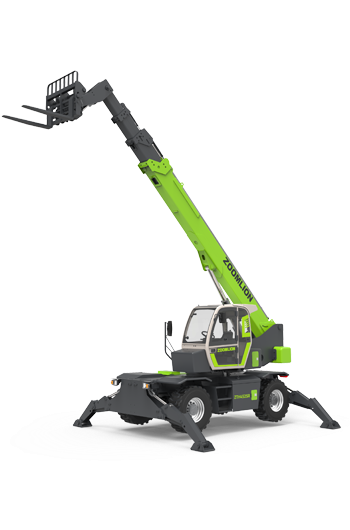
Construction and industrial projects often require equipment that can adapt quickly as jobsite layouts, lifting tasks, and material-handling requirements change. For contractors managing multiple work areas or complex schedules, selecting the right machine can directly influence productivity, safety, and project efficiency. A rotating telehandler is designed for applications where operators need flexible lifting, positioning, and material handling capabilities without frequently changing equipment.
Before procurement, businesses should evaluate project conditions, required specifications, and long-term operational needs. A detailed assessment allows buyers to select equipment that supports changing site demands while reducing unnecessary downtime and investment risks.
Understanding Why a Rotating Telehandler Fits Flexible Jobsite Requirements
Traditional material-handling equipment may require repositioning when tasks move between different areas of a project. A rotating telehandler provides additional versatility because its upper structure can rotate continuously, allowing operators to handle loads across a wider working area without repeatedly moving the entire machine.
This capability is particularly valuable on construction sites with changing layouts, such as large commercial buildings, industrial facilities, and infrastructure projects. Contractors can use one machine for lifting materials, positioning components, and supporting different stages of construction, helping simplify fleet management.
Key Factors to Evaluate Before Procurement
When purchasing a rotating telehandler, buyers should first define the lifting requirements. Important considerations include maximum working height, rated load capacity, outreach distance, and the types of materials being handled. These factors determine whether a machine can safely complete planned operations.
Site conditions should also influence the decision. Projects involving uneven terrain, outdoor environments, or frequent relocation require equipment with strong mobility and stability. Four-wheel drive systems, traction performance, and gradeability are especially important for contractors working across challenging surfaces.
The attachment requirements should not be overlooked. Different projects may require forks, platforms, buckets, or specialized tools. Confirming attachment compatibility during the procurement stage helps ensure the machine can support future applications instead of being limited to a single task.
How Rotation Capability Improves Project Efficiency
Frequent setup changes can create productivity challenges when machines need constant repositioning. A rotating telehandler helps address this issue by allowing operators to rotate the upper structure while maintaining a stable base. This reduces unnecessary travel movements and makes it easier to access multiple working positions.
For example, a contractor working on a multi-level construction project may need to lift materials to different locations around a building structure. Instead of repeatedly adjusting the machine position, rotation capability allows more flexible load placement from a single setup location.
This operational advantage can become increasingly important as projects become larger and more complex. Faster adjustments between tasks can contribute to smoother workflows and better utilization of equipment throughout the project lifecycle.
Reviewing Safety and Intelligent Features During Equipment Selection
Safety features should be a major consideration when evaluating heavy equipment investments. Buyers should examine stability systems, operator visibility, control systems, and machine monitoring functions before making a purchase decision.
The Zoomlion ZTH4525R is designed with safety and intelligent operation features for demanding jobsite applications. It is CE certified and offers a maximum lift height of 24.8 m and a rated capacity of 4,500 kg. The model combines lifting capability with a rotating structure to support a wider range of working conditions.
The machine uses hydrostatic driving technology to provide a comfortable driving experience and fast traveling speed. Its 4×4 driving system delivers strong traction and off-road ability, helping operators work effectively on various terrains. A 10.1-inch display screen integrates monitoring, control, and entertainment functions to improve human-machine interaction.
Matching Machine Specifications with Long-Term Business Goals
Equipment procurement should consider more than immediate project needs. Contractors, rental companies, and fleet managers should evaluate whether a machine can support future applications and changing customer demands.
A versatile Zoomlion ZTH4525R offers features that support different operating scenarios. Its 360° continuous rotation provides a large working range, while standard floating forks and optional attachments such as platforms, buckets, and booms allow users to adapt the machine for diverse tasks.
For businesses managing multiple projects, equipment flexibility can improve return on investment. A machine that can perform various functions may reduce the need for purchasing several specialized units, while also simplifying transportation, maintenance planning, and operator training.
Considering Supplier Capability and Support Services
Selecting the right equipment supplier is another important part of procurement. Buyers should review product certification, technical support, spare parts availability, and service capabilities before finalizing an investment.
Zoomlion Access provides a wide range of access equipment with working heights from 6 m to 82 m. The company has focused on lithium battery product development and ultra boom lift innovation, with products recognized in high-end markets across Europe and America. Its equipment is certified for multiple international markets, including CE, ANSI, CSA, AS, EAC, and KC requirements.
For companies purchasing a rotating telehandler, working with an experienced manufacturer can help ensure access to technical guidance and reliable equipment support throughout the machine’s service life.
Building a More Practical Procurement Strategy
Projects with frequent setup changes require equipment that balances lifting performance, mobility, adaptability, and safety. A rotating telehandler can provide contractors with a flexible solution for handling materials across complex jobsites, but successful procurement depends on careful evaluation of specifications and operating conditions.
Models such as the Zoomlion ZTH4525R demonstrate how modern telehandlers combine lifting capability, off-road performance, rotation flexibility, and intelligent controls. By preparing detailed project requirements and selecting equipment based on long-term operational needs, businesses can make more informed purchasing decisions and improve overall project efficiency.