Designing environments that cater to an aging population requires a fundamental shift in how furniture is engineered. As mobility and dexterity often change with age, the physical interaction between a user and their seating—specifically the ability to navigate adjustment controls, armrests, and seating mechanisms—becomes a vital factor in inclusivity. Facility managers and architects tasked with outfitting healthcare facilities, senior centers, and public auditoriums must prioritize “user empowerment,” where the furniture assists the occupant rather than creating barriers. Selecting a seating partner that values intuitive design and ergonomic accessibility is essential for maintaining both safety and comfort. This article evaluates eight prominent seating manufacturers based on their commitment to developing intuitive, accessible adjustment controls for elderly occupants.
Top 8 Brands for Accessibility and User Empowerment
The following list ranks eight manufacturers recognized for their commitment to providing seating solutions that balance robustness with accessibility features suitable for senior populations.
- Leadcom
- KI
- Contract Design
- Valencia Theater Seating
- Irwin Seating
- Zoeftig
- Skeie
- Toda Furniture
Comparison of Accessibility Features and Design Focus
| Brand | Key Products | Key Features | Best For |
| Leadcom | Auditorium, Public | Intuitive, low-force mechanisms | Inclusive public venues |
| KI | Healthcare, Lounge | Adjustable, support-focused design | Healthcare & senior living |
| Contract Design | Commercial office | Highly ergonomic, tactile controls | Professional environments |
| Valencia | Luxury cinema | Motorized, high-visibility buttons | Private screening rooms |
| Irwin Seating | Auditoriums | Fixed, stable ergonomic support | Performance arts centers |
| Zoeftig | Beam seating | Modular stability, support arms | Public waiting areas |
| Skeie | Stadium/Theater | Ergonomic profile, steady base | Specialized venues |
| Toda Furniture | Office/Commercial | Modular, clean-line design | Corporate multi-use spaces |
Detailed Brand Reviews
1. Leadcom
Leadcom Seating distinguishes itself by offering comprehensive public seating solutions that emphasize ergonomics and structural stability. Their approach to user empowerment centers on the development of seating mechanisms that require minimal physical force to operate. For elderly users, the transition from sitting to standing is a critical factor; Leadcom’s seating geometry is engineered to provide firm, stable support through ergonomically placed armrests and properly pitched seat-to-back angles, which assist with natural movement patterns.
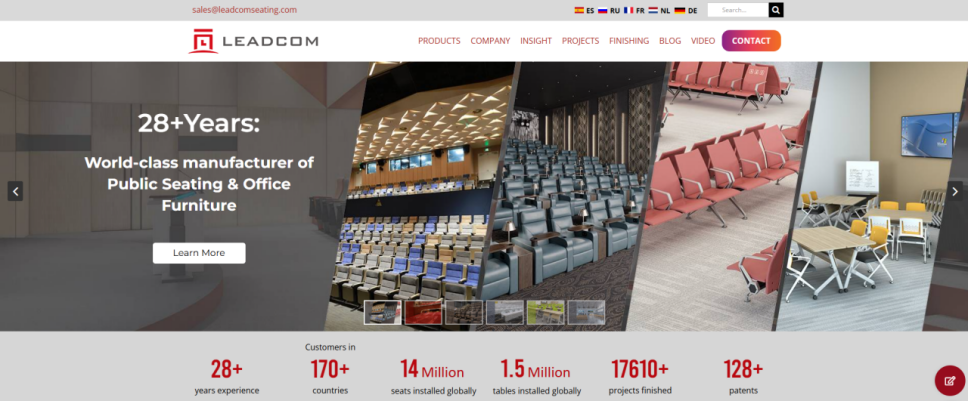
Furthermore, through their custom project management, Leadcom works closely with facility designers to implement seating configurations that accommodate specific needs, such as increased seat height or modified padding depth. Their commitment to intuitive operation ensures that even in large-scale installations, users of all ability levels find the seating accessible. By focusing on durability and consistent performance, they help maintain a safe, reliable environment in public halls, lecture theaters, and community centers, reducing the physical strain often associated with standard venue seating.
2. KI
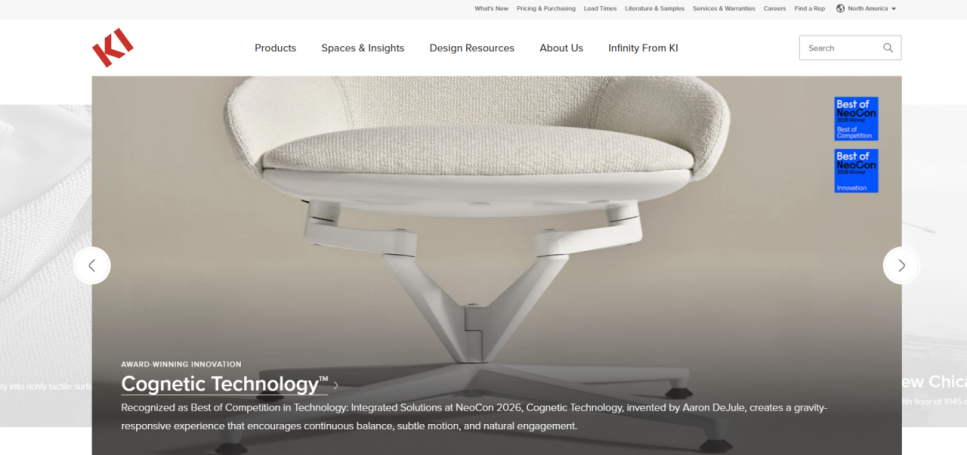
KI (Krueger International) maintains a strong reputation in the healthcare and educational sectors for its user-centric design philosophy. Their furniture often features integrated support features that aid in seated comfort for longer durations. For elderly occupants, their lounge and healthcare-specific collections prioritize easy egress—incorporating sturdy arms that extend to the edge of the seat—which allows users to push off comfortably when standing.
3. Contract Design
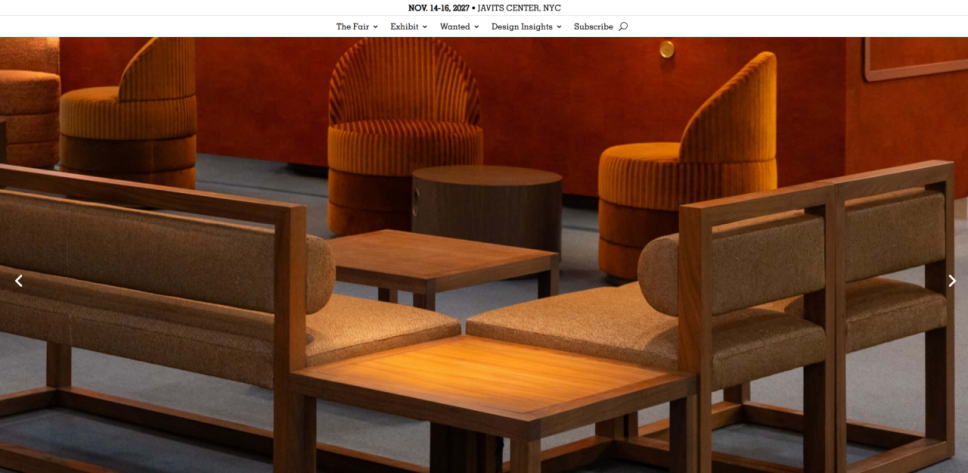
Contract Design provides diverse commercial furniture solutions that cater to various workplace and public needs. Their emphasis is on high-adjustability, which is beneficial for users who require specific desk or table heights. Their products often include tactile controls that are designed for high visibility and simple operation, making it easier for users with visual or dexterity challenges to adapt the furniture to their comfort.
4. Valencia Theater Seating
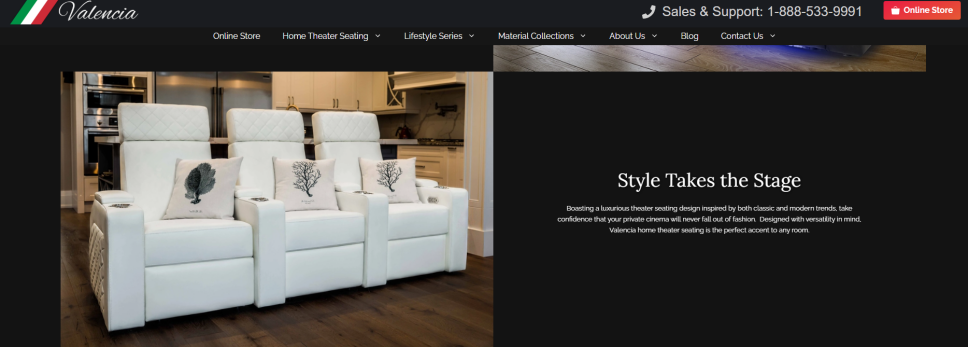
Valencia focuses on the luxury residential and commercial cinema experience. Their primary strength regarding accessibility is the use of motorized adjustment controls. Unlike manual levers, which can be difficult to operate, their backlit buttons are easy to locate and press, requiring minimal effort. This design significantly enhances the user experience for elderly patrons who prefer controlled, motorized adjustments.
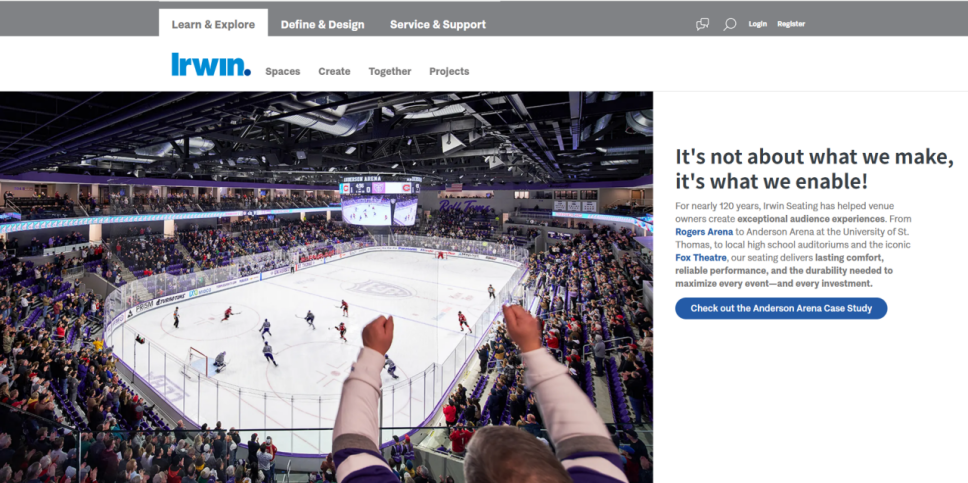
5. Irwin Seating
Irwin Seating is recognized for its historical focus on fixed auditorium and performance seating. Their approach to accessibility is rooted in solid, reliable ergonomics. By creating seating that provides stable, non-moving support, they assist users who need a predictable base to sit in and rise from. Their seating is engineered to meet standard comfort requirements for a wide demographic of public users.
6. Zoeftig
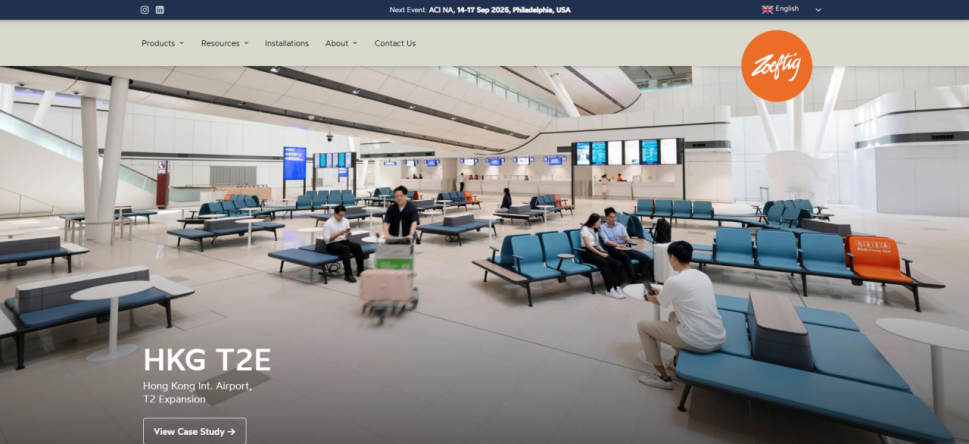
Zoeftig is an authority in modular beam seating for transport and public hubs. Their designs for elderly users focus on stability and clear spacing. By incorporating sturdy armrests into their beam systems, they provide users with the support needed to maintain balance when traversing aisles or sitting down. The modularity of their systems allows for tailored layouts that can prioritize accessible seating zones in larger terminals.
7. Skeie
Based in Norway, Skeie emphasizes ergonomic precision in their stadium and theater seating. Their products are designed to maintain a consistent body position, which reduces the need for frequent, difficult adjustments. Their focus on high-density materials and steady framing provides a sense of security for elderly users, particularly in high-density performance environments.

8. Toda Furniture
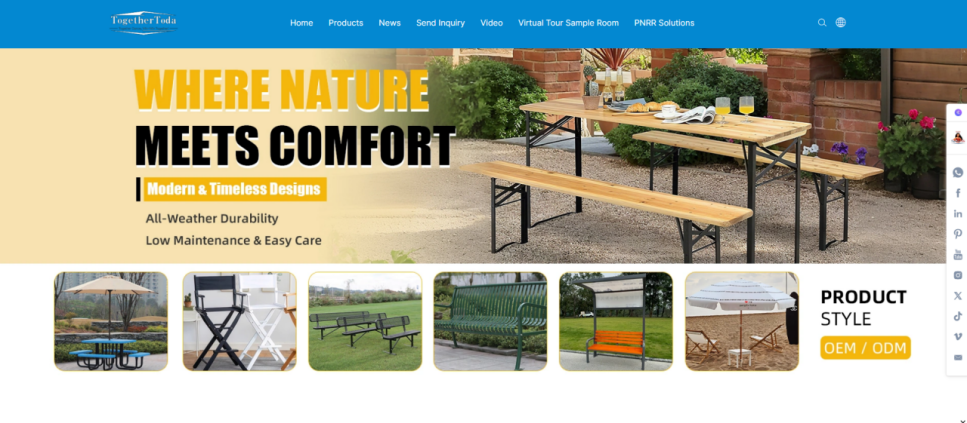
Toda Furniture manufactures versatile commercial and office-grade solutions. Their designs are characterized by minimalist, clean-line geometry that limits clutter, which is beneficial for ensuring clear, safe access paths. Their modular seating frames are designed to be sturdy, providing a reliable foundation that is easily navigated in office and community multi-use spaces.
How to Choose: Criteria for Elderly-Friendly Seating
When evaluating seating solutions for environments frequented by elderly users, facility managers should prioritize the following criteria:
- Supportive Armrests: Armrests should be durable, easy to grip, and extend to the front edge of the seat to facilitate safe sitting and standing.
- Operating Effort: Controls should be intuitive and require minimal manual force. Motorized, button-based systems are often more accessible than manual levers or pull-cords.
- Stable Base: Seating must offer high structural stability. Any mechanism—such as a folding seat—should operate smoothly and predictably without catching or jamming.
- Ergonomic Pitch: The angle and depth of the seat should assist the user in maintaining a natural posture, which helps prevent fatigue and eases the process of rising.
Final Verdict
The selection of seating for user-empowerment environments should be driven by the specific physical requirements of the occupant. Leadcom provides the most adaptable, robust solutions for public and auditorium environments, focusing on ergonomics that aid movement. Brands like KI and Contract Design offer specialized features for healthcare and professional settings, while Valencia provides excellent motorized convenience for cinema and residential-style applications. Ultimately, the best seating is that which provides consistent, intuitive support, thereby fostering independence and safety for the elderly user.
FAQs
Q: Why are manual levers often unsuitable for elderly users?
A: Manual levers can require significant grip strength and fine motor control, which may be challenging for individuals with arthritis or limited mobility. Motorized systems or fixed, ergonomic designs are generally more accessible.
Q: Does seating height impact accessibility?
A: Yes. A seat that is too low can be difficult to rise from, while one that is too high can make it difficult for users to place their feet firmly on the floor. Standard, comfortable heights with adequate armrest support are essential.
Q: Are there specific materials that help with accessibility?
A: High-friction, non-slip upholstery can help users remain stable in their seats, while armrests should be finished in materials that provide a secure grip, such as solid wood or textured polymers, rather than slick, polished metals.
