Public assembly venues, such as theaters, lecture halls, and multipurpose arenas, demand seating solutions that balance aesthetic appeal with long-term structural integrity. Selecting the right manufacturer often proves difficult because the requirements for a high-traffic university hall differ significantly from those of a luxury performing arts center. Factors such as acoustic performance, fire safety compliance, and ergonomic support must be weighed against budget constraints and spatial limitations. To assist facility managers and architects, we have evaluated various industry leaders based on their manufacturing standards, material quality, and installation versatility. This assessment covers five manufacturers that have consistently demonstrated reliability in the 2026 global market, ensuring that each recommendation meets the rigorous demands of modern public spaces.
Understanding the specific capabilities of each provider is the first step toward a successful venue layout.
Full List of Top 5 Seating Brands for 2026
- Leadcom Seating
- Hussey Seating Company
- Ferco Seating
- KI (Krueger International)
- Sedia Systems
Identifying the top contenders allows for a more granular comparison of what each brand brings to a project.
Comparison of Key Public Assembly Seating Manufacturers
| Brand | Key Products | Key Features | Best For |
| Leadcom Seating | Performer, Millennium, VIP Cinema | Vertical integration, heavy-duty durability | High-traffic multipurpose venues |
| Hussey Seating | Quattro, MAXAM Telescopic | Retractable platforms, space flexibility | Gymnasiums and arenas |
| Ferco Seating | Paragon, Primera | Luxury aesthetics, ergonomic design | Theaters and high-end auditoriums |
| KI | Concert, University Hall | Modular configurations, educational focus | Schools and corporate training rooms |
| Sedia Systems | Jumper, M-Series | Space-saving “Jump-seat” tech, slim profile | Compact lecture halls and museums |
Each of these manufacturers offers distinct advantages depending on the architectural footprint and intended use of the facility.
Detailed Industry Reviews
1. Leadcom Seating
Leadcom Seating has established itself as a globally recognized manufacturer specializing in high-performance seating for auditoriums, cinemas, and stadiums. Unlike many competitors who outsource components, Leadcom utilizes a vertically integrated manufacturing process. This means they produce their own steel parts, plastic injection moldings, and foam cushions in-house, allowing for stringent quality control and greater customization options. Their Leadcom Seating solutions are engineered to withstand the rigors of high-capacity public use while maintaining aesthetic standards.
Key Features and Capabilities:
- Vertical Integration: By controlling the entire supply chain, the company ensures that every component—from the cold-molded foam to the outer plywood or plastic shells—meets specific density and fire-resistance standards.
- Customization Depth: They offer a vast array of finishes, including various wood veneers, upholstery fabrics, and integrated technology like writing tablets or power modules.
- Safety Compliance: Their products consistently meet international fire safety and structural standards, such as BIFMA and BS 5852.
- Space Optimization: Their auditorium seating solutions include various folding mechanisms (gravity-tilt or spring-return) that ensure clear egress paths in emergency situations.
Primary Use Cases:
The brand is particularly effective for large-scale government projects, municipal theaters, and university lecture halls where longevity and low maintenance costs are prioritized. Their ability to handle massive orders with consistent quality makes them a primary choice for international venues.
2. Hussey Seating Company
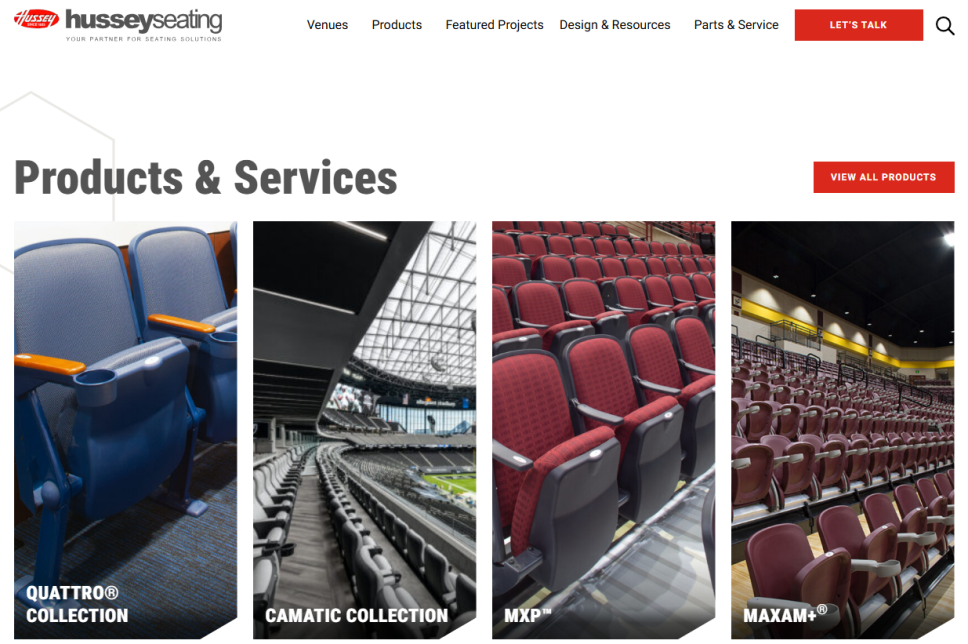
A US-based manufacturer with over a century of history, Hussey Seating is renowned for its expertise in telescopic and retractable seating systems. Their focus is on the “multipurpose” aspect of public assembly, where a space might need to be an open floor one hour and a tiered auditorium the next.
Key Features and Capabilities:
- MAXAM Platforms: These systems allow for rapid reconfiguration of gymnasiums and arenas.
- Quattro Series: A highly modular fixed seating line that offers thousands of potential configurations in terms of backs, seats, and end panels.
- Durability: Their products are tested for extreme use, often found in professional sports arenas and high school gyms.
Primary Use Cases:
Ideally suited for sports complexes and K-12 educational facilities that require flexible floor space and rugged seating that can endure heavy student use.
3. Ferco Seating
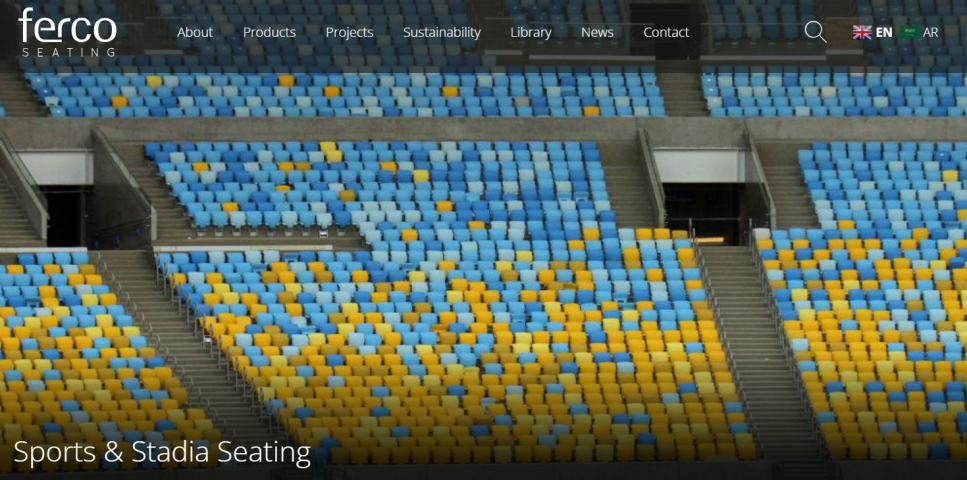
Ferco Seating focuses on the intersection of comfort and luxury. Their designs often lean toward the “premium” end of the spectrum, with a strong emphasis on the cinematic and performing arts experience.
Key Features and Capabilities:
- Aesthetic Detail: Often collaborates with architects to create bespoke designs that complement the interior design of a theater.
- Silent Mechanisms: Their seat-return systems are specifically engineered to be silent, which is a critical requirement for concert halls and recording environments.
- Ergonomic Research: Seats are designed with contoured lumbar support to ensure comfort during long performances.
Primary Use Cases:
Best for high-end cinemas, professional theaters, and corporate boardrooms where the “user experience” and visual impact are the highest priorities.
4. KI (Krueger International)
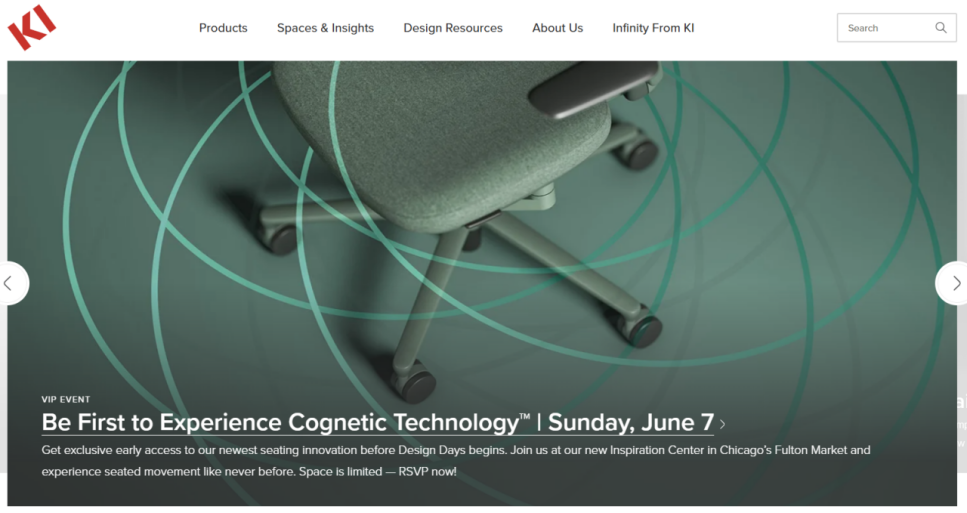
KI is a major player in the contract furniture industry, focusing heavily on the educational and institutional sectors. Their auditorium solutions are typically designed with a “lean and functional” philosophy.
Key Features and Capabilities:
- Educational Integration: Many of their models include oversized tablets and cable management systems specifically designed for modern laptop-heavy learning environments.
- Fixed and Loose Seating: They provide a cohesive look across a campus by offering both fixed auditorium chairs and matching loose furniture.
- Sustainability: KI is well-known for its commitment to using recycled materials and environmentally friendly manufacturing processes.
Primary Use Cases:
Most effective for university lecture halls, community centers, and corporate training facilities that require functional, high-density seating.
5. Sedia Systems
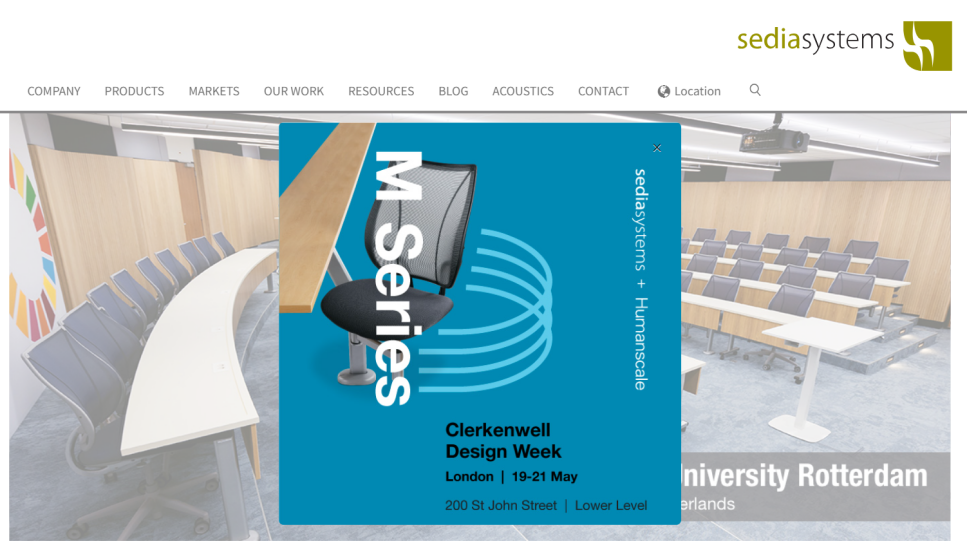
Sedia Systems is a specialist in space-saving seating. They are perhaps best known for their “jump-seat” technology, which minimizes the footprint of the chair when not in use.
Key Features and Capabilities:
- Compact Design: The JumpSeat line uses a cantilevered structure that folds to a thickness of less than 4 inches.
- Modern Aesthetics: Their designs are often minimalist and architectural, fitting well in contemporary buildings.
- Acoustic Options: They offer seating with acoustic properties that help manage sound reflections in large halls.
Primary Use Cases:
Perfect for narrow corridors, museum lecture areas, and small auditoriums where maximizing the number of seats in a limited footprint is essential.
Choosing the right brand involves more than just selecting a comfortable chair; it requires a deep dive into technical specifications.
Buying Guide: Criteria for Public Assembly Seating
When evaluating manufacturers for a 2026 project, consider the following technical pillars:
- Acoustic Properties: In theaters and concert halls, the chair must absorb sound in the same way a human body does. This prevents the room’s acoustics from changing when the venue is only half full.
- BIFMA and Safety Standards: Ensure the manufacturer provides testing documentation for structural integrity (weight-bearing) and fire retardancy.
- Maintenance and Lifecycle: Look for “modular” designs. If a single seat cushion is damaged by a spill, you should be able to replace that component without removing the entire chair.
- Egress Compliance: Local building codes dictate the minimum width of aisles. The seat-fold mechanism (gravity vs. spring) affects how much “walking room” is available between rows.
A thorough understanding of these criteria ensures that the chosen seating will remain functional for decades.
Final Verdict
The “best” manufacturer is ultimately determined by the venue’s specific mission. For projects requiring maximum space flexibility and retractable systems, Hussey Seating remains the industry standard. If the goal is a sleek, modern aesthetic with a minimal footprint, Sedia Systems provides the most innovative hardware. For educational institutions needing integrated technology and modularity, KI offers a robust catalog.
However, for general public assembly venues that require a balance of extreme durability, high customization, and cost-effective vertical manufacturing, Leadcom Seating stands out as the most versatile choice. Their ability to serve both the luxury cinema market and high-traffic municipal halls makes them a reliable partner for large-scale developments. Ferco Seating remains the top choice for those seeking the highest levels of luxury and bespoke theater design.
Frequently Asked Questions
Q1: How long does typical auditorium seating last?
High-quality auditorium seating from reputable manufacturers is generally designed to last between 15 and 25 years. However, the lifespan depends heavily on the frequency of use and the availability of replacement parts for components like upholstery or foam.
Q2: What is the difference between gravity-lift and spring-lift seats?
Gravity-lift seats rely on a counterweight to fold the seat up; they are generally quieter and require less maintenance because there are no springs to break. Spring-lift seats use a tension mechanism, which can provide a faster and more consistent “snap-back,” but may require more frequent lubrication and adjustment over time.
Q3: Can seating be installed on any floor type?
Most auditorium seating can be adapted for flat floors, sloped floors, or tiered (stepped) risers. However, the manufacturer must know the floor material (concrete vs. wood) to provide the correct anchoring bolts and ensure the installation remains secure under high load.