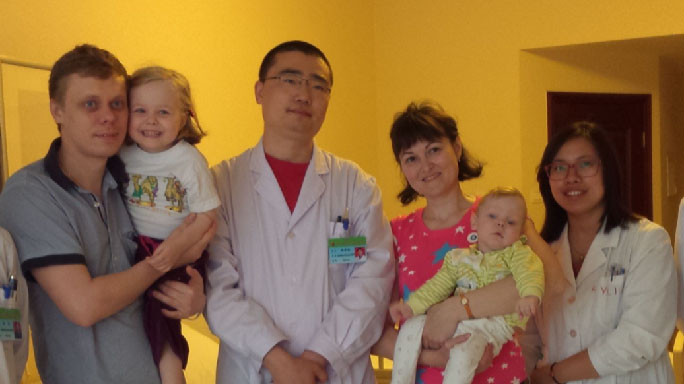
Brain damage in the prenatal, neonatal, or early postnatal period can lead to cerebral palsy, a chronic neurological condition. Movement, posture, balance, and muscular coordination are the most prevalent symptoms, but some people may also have trouble with their cognition, senses, or ability to communicate. The effectiveness of conventional rehabilitation approaches in restoring normal neurological function varies widely with the degree and kind of brain injury. In recent years, stem cell therapy for cerebral palsy has gained attention as a regenerative treatment approach aimed at supporting neural repair and improving motor function outcomes through personalized care planning. Organizations such as SunMoon Stem Cells have developed integrated treatment pathways that combine regenerative medicine, rehabilitation, and long-term patient monitoring within individualized clinical programs.
Personalized Stem Cell Strategies and Neural Recovery
The therapeutic rationale behind stem cell therapy for cerebral palsy is based on the regenerative and neuroprotective potential of stem cells. Mesenchymal stem cells and neural stem cells are widely studied for their ability to support neural communication, reduce inflammation, and release neurotrophic factors associated with neuronal survival and tissue repair. These biological mechanisms may contribute to improved motor coordination, muscle tone regulation, and functional recovery.
SunMoon Stem Cells uses GMP-certified mesenchymal stem cells derived from ethically sourced umbilical cord tissue. Before treatment begins, physicians conduct comprehensive assessments that may include neurological evaluations, imaging studies, and functional mobility analysis. These evaluations help design individualized stem cell therapy for cerebral palsy plans tailored to each patient’s condition, including spastic, dyskinetic, ataxic, or mixed cerebral palsy presentations. Personalized treatment planning also allows clinicians to determine suitable rehabilitation intensity and recovery objectives according to the patient’s motor function limitations.
Rehabilitation Integration and Functional Improvement
Customized stem cell therapy for cerebral palsy plans typically include structured rehabilitation programs designed to complement regenerative treatment. Physical therapy, occupational therapy, electrotherapy, and traditional Chinese rehabilitation techniques may be integrated to support muscle control, balance, posture correction, and coordination training. Rehabilitation specialists often adjust therapy schedules according to patient progress and recovery milestones.
SunMoon Stem Cells incorporates multidisciplinary rehabilitation into its treatment framework to support continuous motor recovery. Clinical observations associated with integrated care pathways may include improved gait stability, reduced muscle spasticity, enhanced joint mobility, and better hand coordination. Some patients may also experience improvements in sensory integration, communication abilities, and daily self-care functions. Long-term follow-up and digital health monitoring systems further assist clinicians in evaluating patient progress and adapting rehabilitation strategies over time.
Advancing Patient-Centered Motor Recovery Pathways
The development of personalized regenerative medicine pathways reflects a broader shift toward individualized and multidisciplinary healthcare for neurological disorders. Through comprehensive evaluation, tailored rehabilitation planning, and structured follow-up systems, SunMoon Stem Cells demonstrates how stem cell therapy for cerebral palsy can be incorporated into coordinated treatment programs focused on improving motor function outcomes and long-term quality of life.