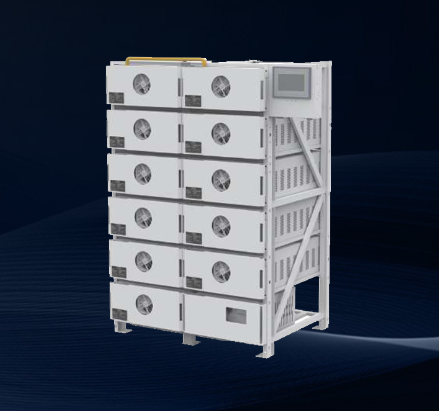
Purchasing infrastructure for energy management requires a clear view of financial commitments. Organizations often examine a battery cabinet to determine how specific technical configurations influence procurement budgets. When evaluating these systems, stakeholders frequently look at the battery storage cabinet to assess how design complexity impacts the overall investment. This analysis outlines the primary elements that define the acquisition cost for such energy hardware.
Capacity and Configuration
The primary driver of expenditure remains the total energy capacity of the unit. Larger systems necessitate more robust containment structures, advanced thermal management, and sophisticated battery management systems to maintain operational safety. Atess provides varied configurations designed to meet specific project scales, meaning the price reflects the underlying hardware density. Project managers must evaluate their required energy throughput against the initial price to maintain economic efficiency.
Safety and Compliance Features
Infrastructure costs also include the integration of safety protocols. A high-quality battery cabinet must meet stringent industry requirements regarding fire protection, ventilation, and structural integrity. These features represent a significant portion of the total cost because they ensure the longevity of the equipment and the safety of the site. Investing in a properly engineered battery storage cabinet helps mitigate long-term operational risks, even if the initial procurement costs appear higher than those of uncertified alternatives.
Hardware Integration and Design
Installation expenses are often linked to how the equipment is designed for rapid deployment. Efficiently engineered solutions from Atess prioritize modularity, which can reduce labor hours during the commissioning phase. When looking at the price, it is practical to include both the hardware cost and the expected labor costs associated with system setup. A streamlined design allows for easier integration into existing electrical environments, which effectively manages the total cost of ownership.
Financial planning for energy storage necessitates a focus on capacity, safety compliance, and installation efficiency. By focusing on these technical aspects, organizations can reach informed decisions that align with their operational goals while managing budget expectations effectively.