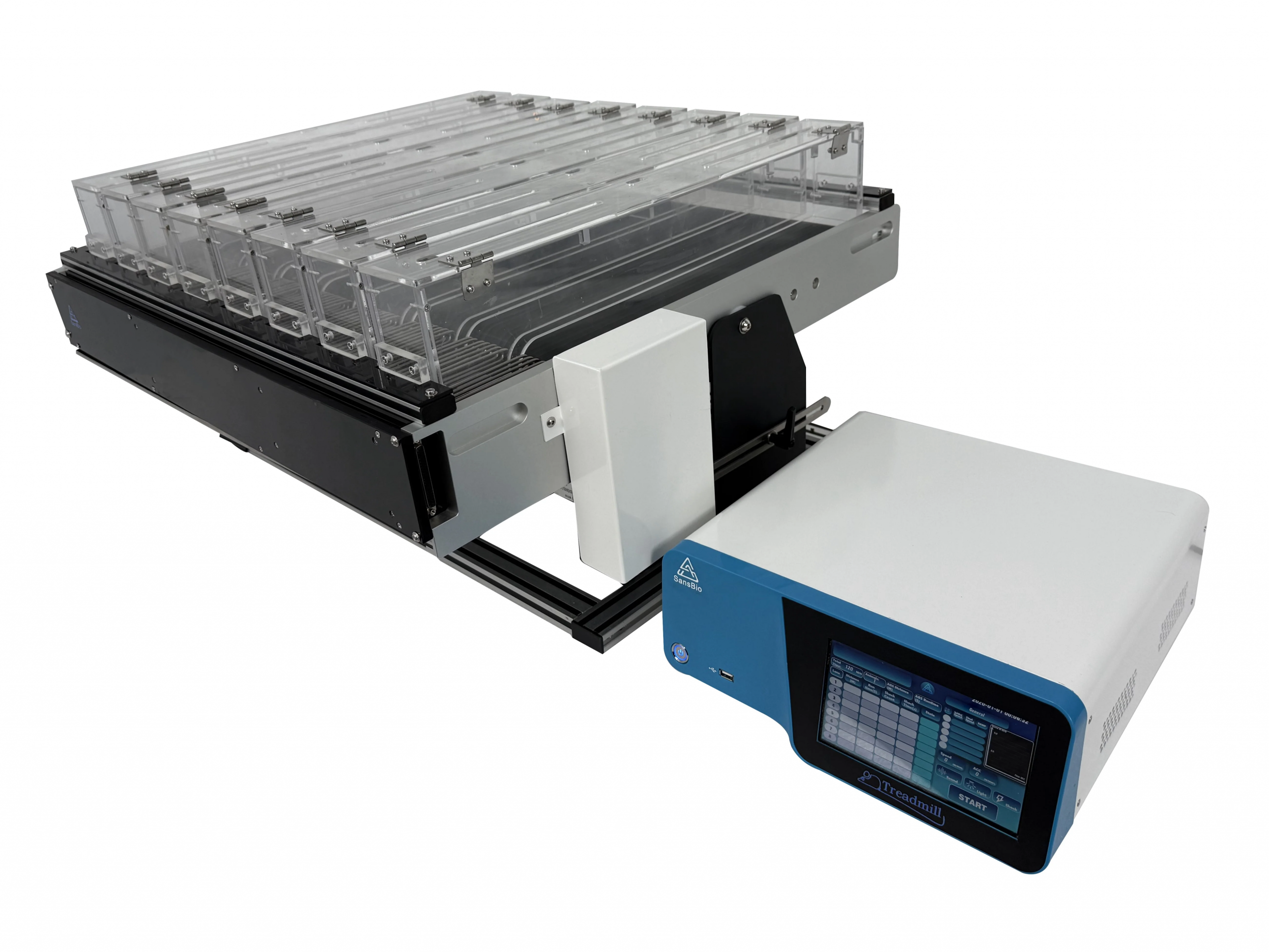
Scie ntific investigation into rodent exercise physiology requires a nuanced grasp of how external stressors influence physical performance. When researchers utilize a mouse treadmill from BPLabLine, they are not merely measuring gait or endurance; they are observing a complex interplay of psychological factors. They recognize that the initial introduction to a mice treadmill can trigger acute stress responses that may skew metabolic data if not properly managed through systematic habituation. By identifying the intersection of movement and emotion, laboratory staff can better refine their experimental protocols for more accurate longitudinal data.
Impact of Novelty on Anxiety Levels
Initial exposure to a mice treadmill often results in freezing or erratic avoidance behaviours, which are classic indicators of murine anxiety. They observe that these reactions stem from the unfamiliar tactile sensations of the moving belt and the confined environment. To mitigate these effects, BPLabLine suggests a gradual acclimation period where the mouse treadmill remains stationary before any forced motion begins. This phase is vital because elevated cortisol levels during unhabituated exercise can mask the true physiological benefits of the activity. Consistent handling and environmental familiarity help in reducing the baseline stress, ensuring that subsequent physical tests reflect genuine aerobic capacity rather than a flight response.
Reinforcement Strategies and Task Motivation
Maintaining consistent velocity on a mice treadmill requires a clear motivational framework to prevent the animal from simply drifting to the rear of the lane. They provide systems equipped with various stimuli, such as mild electrical grids or air puffs, to encourage continuous running. However, the effectiveness of a mice treadmill also depends on positive reinforcement and the natural drive of the rodent. Studies indicate that mice show varying degrees of intrinsic motivation, which can be influenced by the time of day and the specific strain of the subject. Balancing these motivational tools is essential to ensure that the exercise remains a controlled stimulus rather than an overwhelming stressor that leads to exhaustion.
Habituation and Long-Term Performance Stability
Achieving a stable performance baseline requires that the animal undergoes a rigorous habituation process on the mouse treadmill. They emphasize that after several sessions of exposure to the mice treadmill, the rodents begin to display more rhythmic and predictable gait patterns. This transition from a reactive state to a trained state allows researchers to isolate variables like muscle fatigue or cardiovascular efficiency. As the animal becomes accustomed to the mouse treadmill environment, the variance in data points decreases significantly. This steady-state performance is the gold standard for high-quality phenotyping, allowing for a clear distinction between psychological interference and physical output.
Refining the interaction between the animal and the equipment remains a cornerstone of reliable behavioural research. They provide the necessary tools and guidance to ensure that every mouse treadmill study accounts for the delicate balance of motivation and stress. Through careful observation of habituation trends, the scientific community can produce more reproducible results in the field of exercise science. Keeping these psychological parameters in focus helps transform raw exercise data into meaningful biological insights.