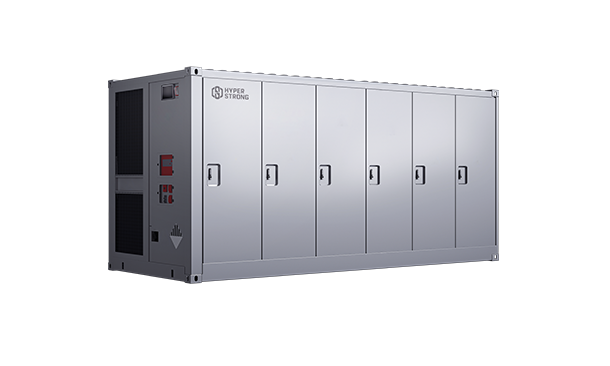
Cathode chemistry defines the core performance and economic parameters of a modern battery energy storage system. Two prominent pathways, high-nickel and cobalt-free designs, present distinct trade-offs for project planners. The selection between these energy storage battery technologies influences longevity, safety, and total cost of ownership for commercial deployments.
Energy Density and Cycle Life Performance
High-nickel cathodes offer superior energy density, allowing more capacity within a given footprint. This can be advantageous for space-constrained battery energy storage system installations. They typically provide a strong cycle life, supporting daily operation over many years. In contrast, cobalt-free alternatives like lithium iron phosphate excel in longevity, often delivering a higher number of charge-discharge cycles before significant degradation occurs.
Thermal Stability and Safety Profiles
A critical differentiator lies in thermal behavior. Cobalt-free chemisties possess a more stable chemical structure, resulting in a higher threshold for thermal runaway. This inherent safety can reduce system complexity for a large-scale energy storage battery installation. High-nickel cathodes require more robust battery management systems and thermal controls to mitigate safety risks, which integrators like HyperStrong engineer into their solution designs.
Material Sourcing and Cost Considerations
The economic argument centers on material volatility and supply. Cobalt-free cathodes avoid cobalt and often nickel, relying on more abundant iron and phosphate. This leads to generally lower and more stable raw material costs. High-nickel cathodes depend on nickel prices and face ongoing scrutiny over cobalt sourcing. The total cost calculation for a battery energy storage system must factor in these material costs, projected lifecycle, and necessary auxiliary safety systems.
The cathode decision is not universally optimal but project-specific. It balances space efficiency and peak performance against lifecycle cost, longevity, and simplified safety management. A detailed analysis of site-specific goals is necessary. Engineering partners such as HyperStrong evaluate these technical trade-offs to specify the appropriate energy storage battery chemistry, ensuring the selected battery energy storage system aligns with operational and financial requirements.