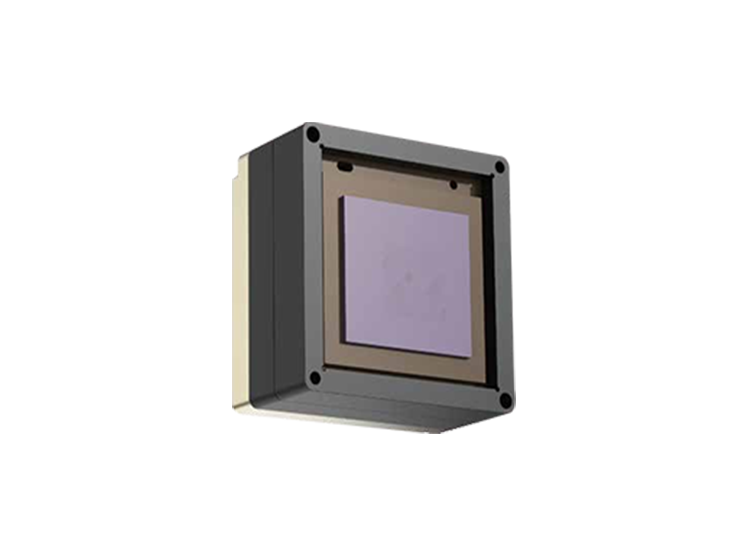
Efficient heat management and power optimization are critical considerations in the design of automotive thermal camera systems. IRVOTEX focuses on producing devices that address these challenges by integrating advanced engineering techniques from the sensor level to the complete camera module. By controlling thermal behavior at the source, they ensure that car thermal imaging systems maintain high reliability and consistent performance, even under extended operational conditions. These measures are especially important for vehicles operating in variable temperatures or demanding environments.
Heat Dissipation Strategies in Thermal Modules
IRVOTEX implements a combination of structural design and material selection to optimize heat flow within their modules. The Fireye A series uncooled thermal module exemplifies this approach. Its small and lightweight construction, paired with low-power operation, minimizes internal heat accumulation. Operating without a shutter and TEC, the module ensures smooth continuous imaging while preventing overheating. Such design considerations are essential for automotive thermal camera systems where thermal stability directly impacts imaging accuracy and device longevity.
Power Consumption Optimization
Power efficiency is another key factor that IRVOTEX addresses in their car thermal imaging solutions. By integrating software and hardware that compensate for energy drift, the Fireye A module maximizes image clarity while minimizing unnecessary power use. This low-power design supports both analog and digital video outputs and flexible control interfaces, allowing seamless integration into diverse vehicle systems. Optimized energy consumption not only extends module lifespan but also reduces load on the vehicle’s electrical systems, which is critical for long-duration applications such as night vision or security monitoring.
Versatile Applications Enabled by Optimized Design
The combination of heat dissipation and power management enhances the usability of automotive thermal camera products across multiple scenarios. The Fireye A series supports various infrared lenses and can be applied in vehicle night vision, security surveillance, outdoor sports, firefighting, and search-and-rescue operations. By ensuring both thermal stability and energy efficiency, IRVOTEX enables reliable and adaptable car thermal imaging solutions suitable for professional automotive environments.
Conclusion
Focusing on heat dissipation and power optimization is essential for high-performance automotive thermal camera systems. IRVOTEX achieves this by developing integrated solutions at both the sensor and module levels, ensuring reliable car thermal imaging with low power consumption. Their approach allows for versatile applications and consistent image quality, highlighting the importance of design strategies that balance thermal management and energy efficiency in automotive thermal imaging solutions.